Tell us about the job
Takes about a minute. No obligation.
A heat pump in Warrick County has not been sitting out easy seasons. 108 severe weather events were recorded in Warrick County, Indiana between 2015 and 2024. At that rate, severe weather is a standing condition of operation here, and a contractor pulling a repair quote accounts for what the system has already been asked to carry. Refrigerant lines, contactors, and capacitors absorb cumulative stress from weather load, and those are the components a contractor checks first before pricing anything else.
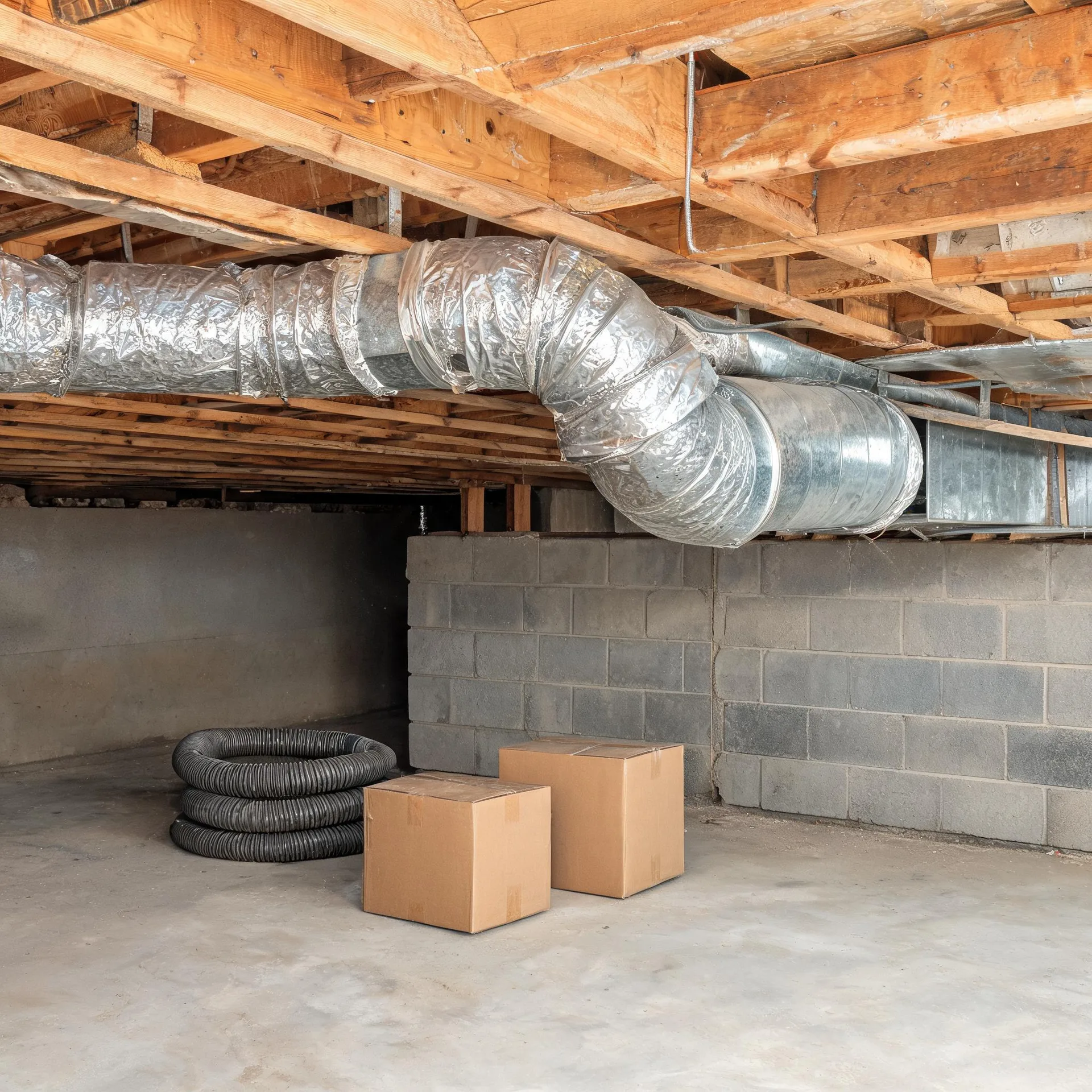
Half the homes in Warrick County, Indiana were built in 1986 or earlier (2020-2024 ACS 5-year). A heat pump sitting in a house built around that period is unlikely to be the first one in it. Equipment gets swapped well before the house does, which means the system a contractor opens today is probably a later generation installed into the same envelope. What that contractor finds once the unit is open determines whether the repair is straightforward or whether the parts that system takes are still being manufactured. Older refrigerant circuits, discontinued compressor models, and control boards from prior product lines can all be present regardless of when the house was framed.
The Parts of a Heat Pump a Contractor Checks First
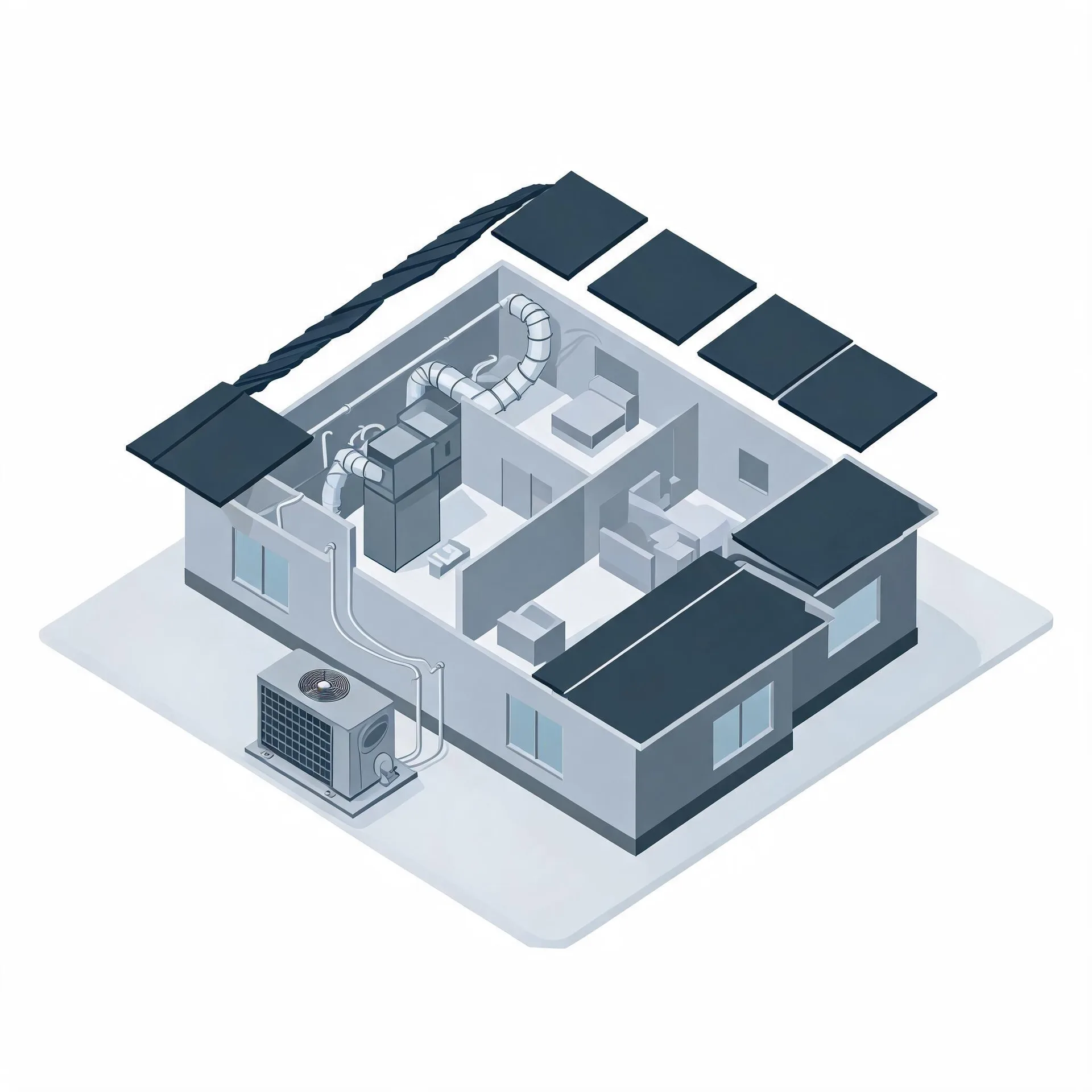
The outdoor unit sits outside the house and holds the compressor and condenser coil. These are where most faults show up. A failed compressor means the system moves no heat at all. A damaged coil or a refrigerant leak often traces back here too, and a contractor will look at both early.
Inside the house, the air handler pushes conditioned air through the home and contains the indoor coil and the blower motor. The expansion valve sits between the two coils and controls refrigerant flow. When airflow drops or temperatures drift, the air handler and that valve are where a contractor looks next.
The drawing shows a typical heat pump layout, and a licensed contractor determines which parts apply to your specific home and system.
Find a contractor in Warrick CountyWarrick County, by the numbers
108 severe weather events were recorded in Warrick County, Indiana between 2015 and 2024.
NOAA National Centers for Environmental Information, Storm Events Database, bulk CSV export, events 2015-01-01 through 2024-12-31.Half the homes in Warrick County, Indiana were built in 1986 or earlier (2020-2024 ACS 5-year).
U.S. Census Bureau, 2020-2024 American Community Survey 5-Year EstimatesWarrick County, Indiana holds 26,890 housing units (2020-2024 ACS 5-year).
U.S. Census Bureau, 2020-2024 American Community Survey 5-Year EstimatesOwners occupy 82.4% of the occupied homes in Warrick County, Indiana (2020-2024 ACS 5-year).
U.S. Census Bureau, 2020-2024 American Community Survey 5-Year EstimatesSevere Weather Events in Warrick County
Weather puts direct mechanical load on heat pump equipment, and that load adds up over time. How often conditions push a system to its limits is a local fact, and repair needs in Warrick County reflect it.
108 severe weather events, 2015–2024. Source: NOAA National Centers for Environmental Information, Storm Events Database.