Tell us about the job
Takes about a minute. No obligation.
A contractor quoting a heat pump repair in Wabash County starts with the system itself: how old the components are, whether the unit has been serviced, and what the refrigerant circuit looks like now. 46 severe weather events were recorded in Wabash County, Indiana between 2015 and 2024. At that rate, severe weather is a real part of operating life here, but it is not frequent enough to be the standing explanation for a failed compressor or a worn contactor. Those failures point at age and service history first. Weather moves up the list only after a contractor has opened the unit and ruled the other causes out.
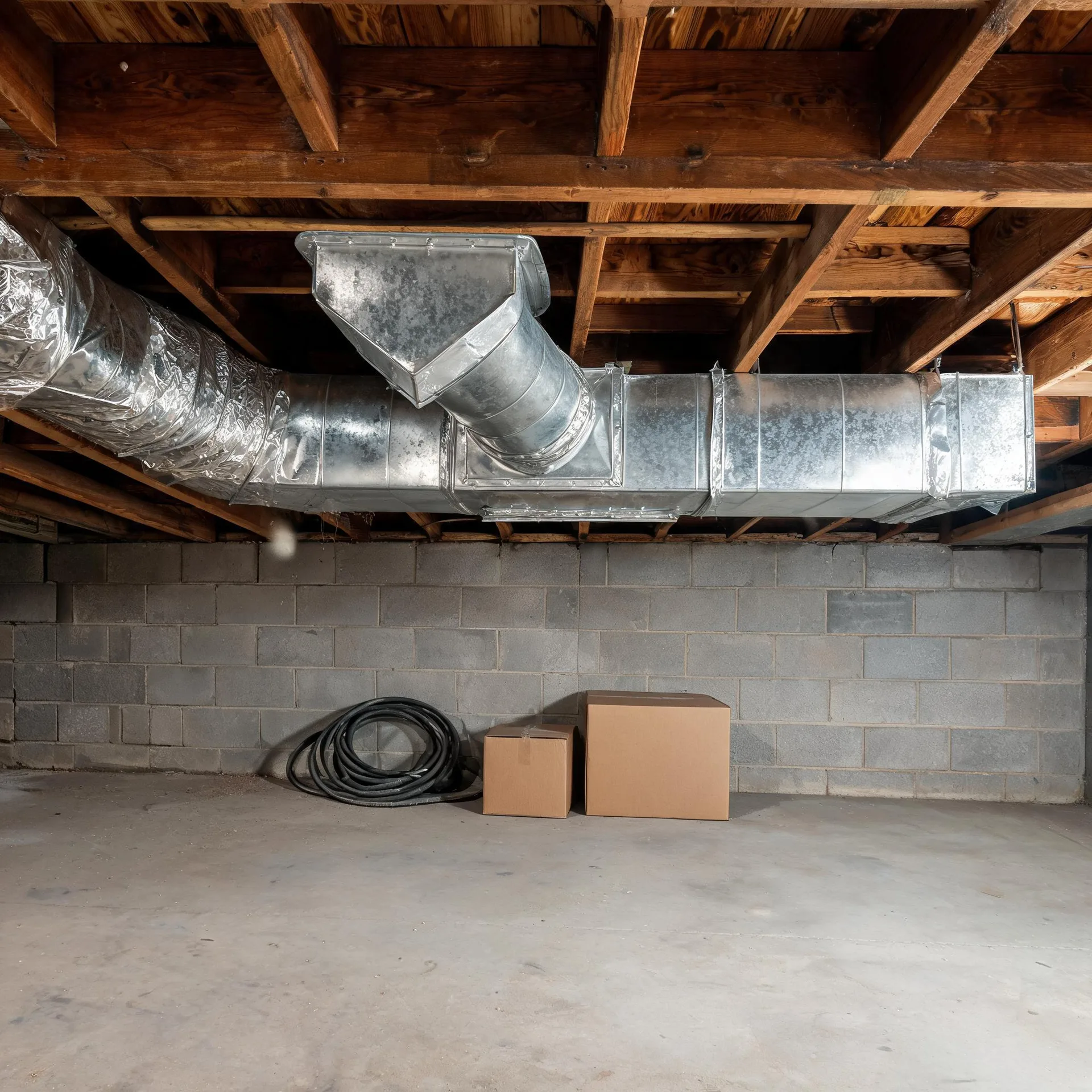
Half the homes in Wabash County, Indiana were built in 1959 or earlier (2020-2024 ACS 5-year). A house built for a different era of heating and cooling has almost certainly seen its mechanical systems updated more than once, and what sits inside a heat pump that old when a contractor opens it reflects those layers of adaptation. The question a repair turns on is parts availability. If the compressor, reversing valve, or control board that the system actually needs has been discontinued, a repair becomes a much longer conversation than the service call suggested.
The Parts of a Heat Pump a Contractor Checks During Repair
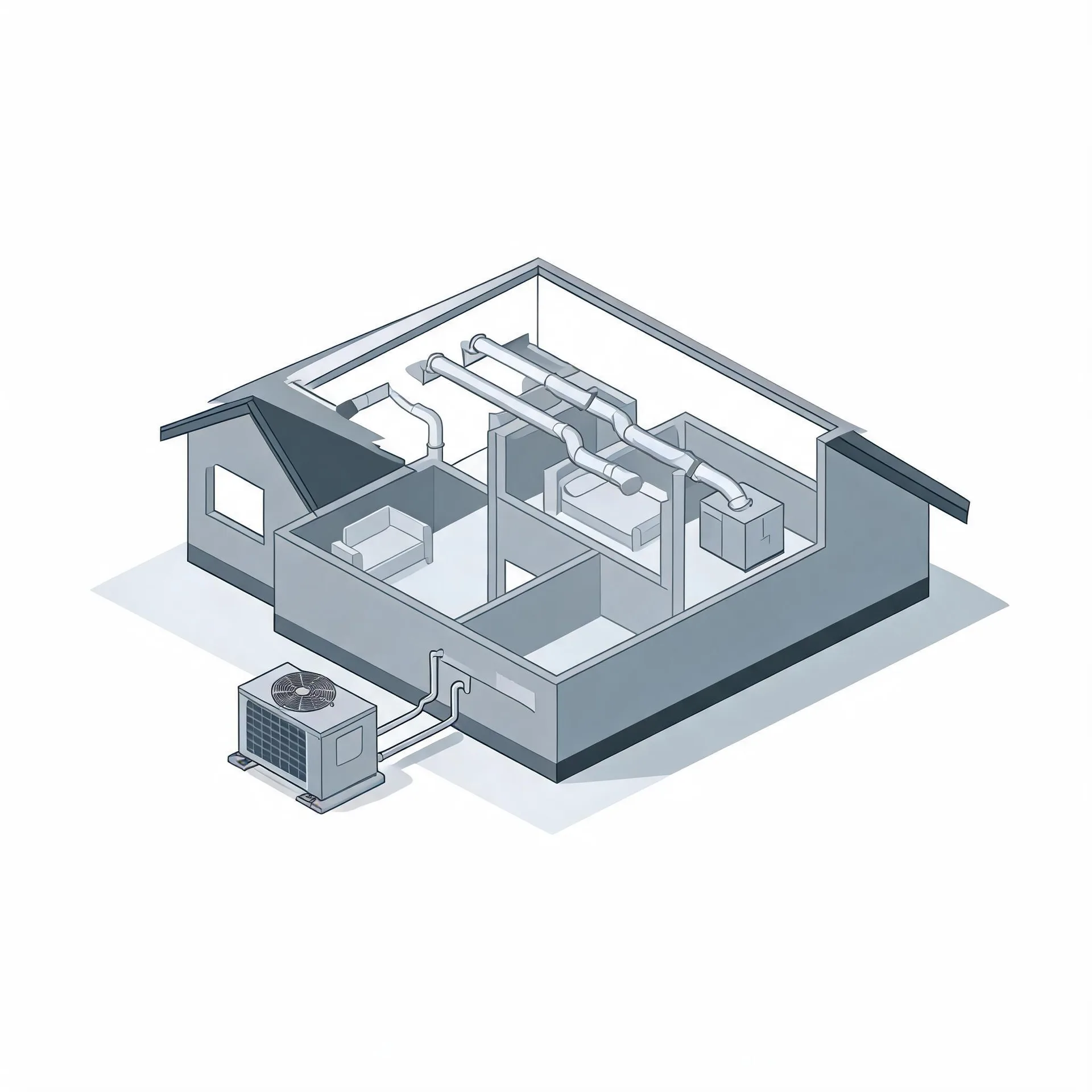
The outdoor unit is where most repairs begin. It houses the compressor, which moves refrigerant through the system, and the condenser coil, which transfers heat. When a heat pump stops heating or cooling reliably, the compressor and the coil are the first things a contractor will examine.
Inside the house, the air handler holds the indoor coil and the blower that pushes conditioned air into your living space. The reversing valve, which sits in the refrigerant line and tells the system which direction to run, is another common point of failure, as are the expansion valve and the refrigerant lines that connect both units.
The drawing shows the general layout of a heat pump system, and a licensed contractor determines what applies to your specific installation.
Find a contractor in Wabash CountyWabash County, by the numbers
46 severe weather events were recorded in Wabash County, Indiana between 2015 and 2024.
NOAA National Centers for Environmental Information, Storm Events Database, bulk CSV export, events 2015-01-01 through 2024-12-31.Half the homes in Wabash County, Indiana were built in 1959 or earlier (2020-2024 ACS 5-year).
U.S. Census Bureau, 2020-2024 American Community Survey 5-Year EstimatesWabash County, Indiana holds 14,097 housing units (2020-2024 ACS 5-year).
U.S. Census Bureau, 2020-2024 American Community Survey 5-Year EstimatesOwners occupy 80.5% of the occupied homes in Wabash County, Indiana (2020-2024 ACS 5-year).
U.S. Census Bureau, 2020-2024 American Community Survey 5-Year EstimatesSevere Weather Events in Wabash County, Year by Year
Weather puts real hours on heating and cooling equipment. In Wabash County, what the climate does year to year shapes how hard a heat pump works and how soon its parts wear.
46 severe weather events, 2015–2024. Source: NOAA National Centers for Environmental Information, Storm Events Database.