Tell us about the job
Takes about a minute. No obligation.
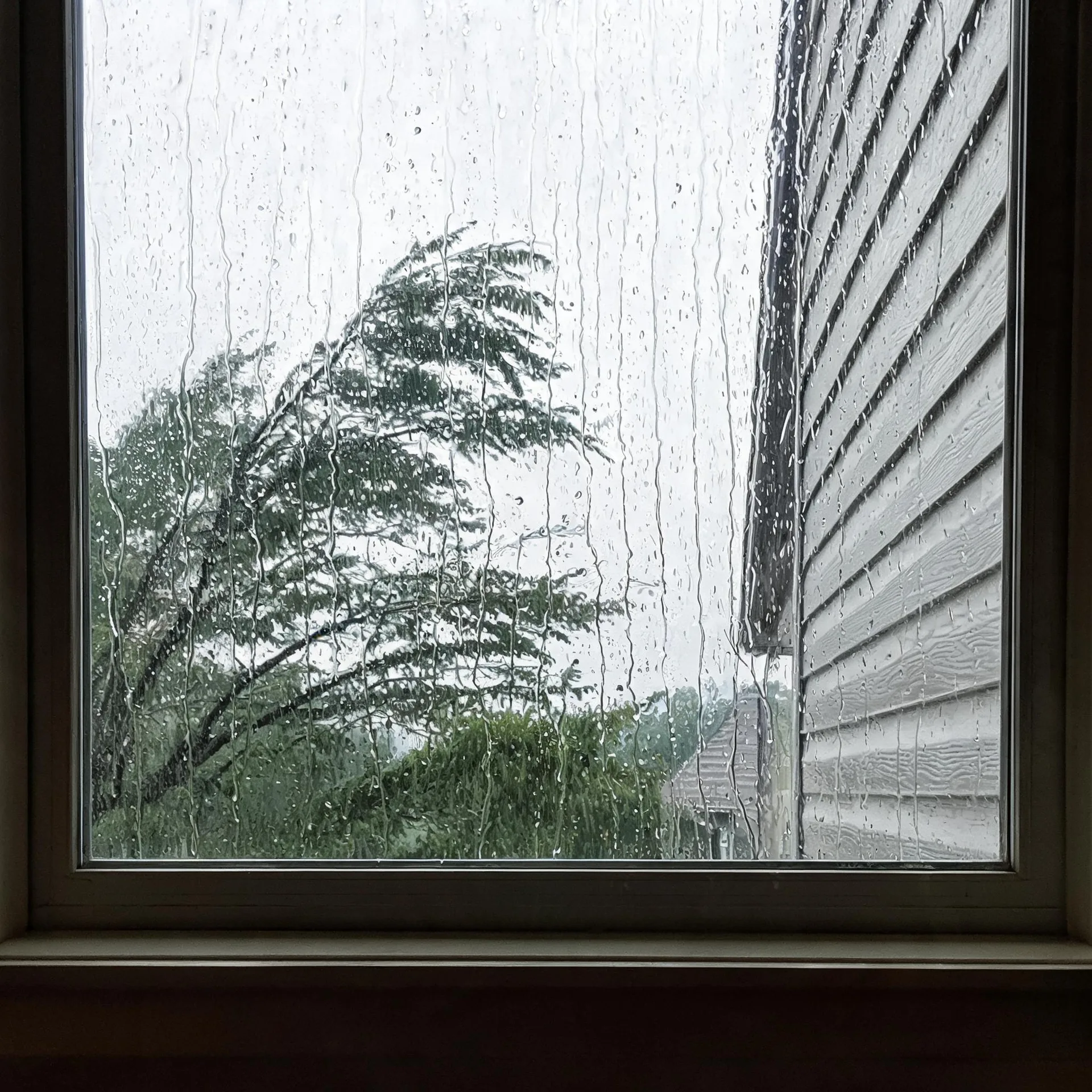
A contractor quoting a heat pump install in Wayne County has to account for what the local weather has consistently asked of equipment here, because sizing decisions that ignore that record produce systems that strain to keep up. 94 severe weather events were recorded in Wayne County, Indiana between 2015 and 2024. At roughly the national median for severe weather activity, this area gives equipment a real and recurring workload, which means the specifications a contractor brings to a job should reflect local conditions rather than generic defaults. Duct sealing, equipment capacity, and refrigerant line placement all land differently when the climate is part of the calculation from the start.
Ductwork laid out for a furnace and central air setup was designed around a specific airflow pattern, and a heat pump runs differently enough that what worked before often does not transfer without adjustment. Half the homes in Wayne County, Indiana were built in 1960 or earlier (2020-2024 ACS 5-year). A contractor installing a heat pump in a house of that vintage has to assess the existing duct layout before pricing the system itself, because undersized or poorly routed runs will undercut the new equipment regardless of what unit gets chosen. The electrical service gets the same look, since a heat pump's draw has to be matched against what the panel actually has available.
What a Heat Pump Installation Covers
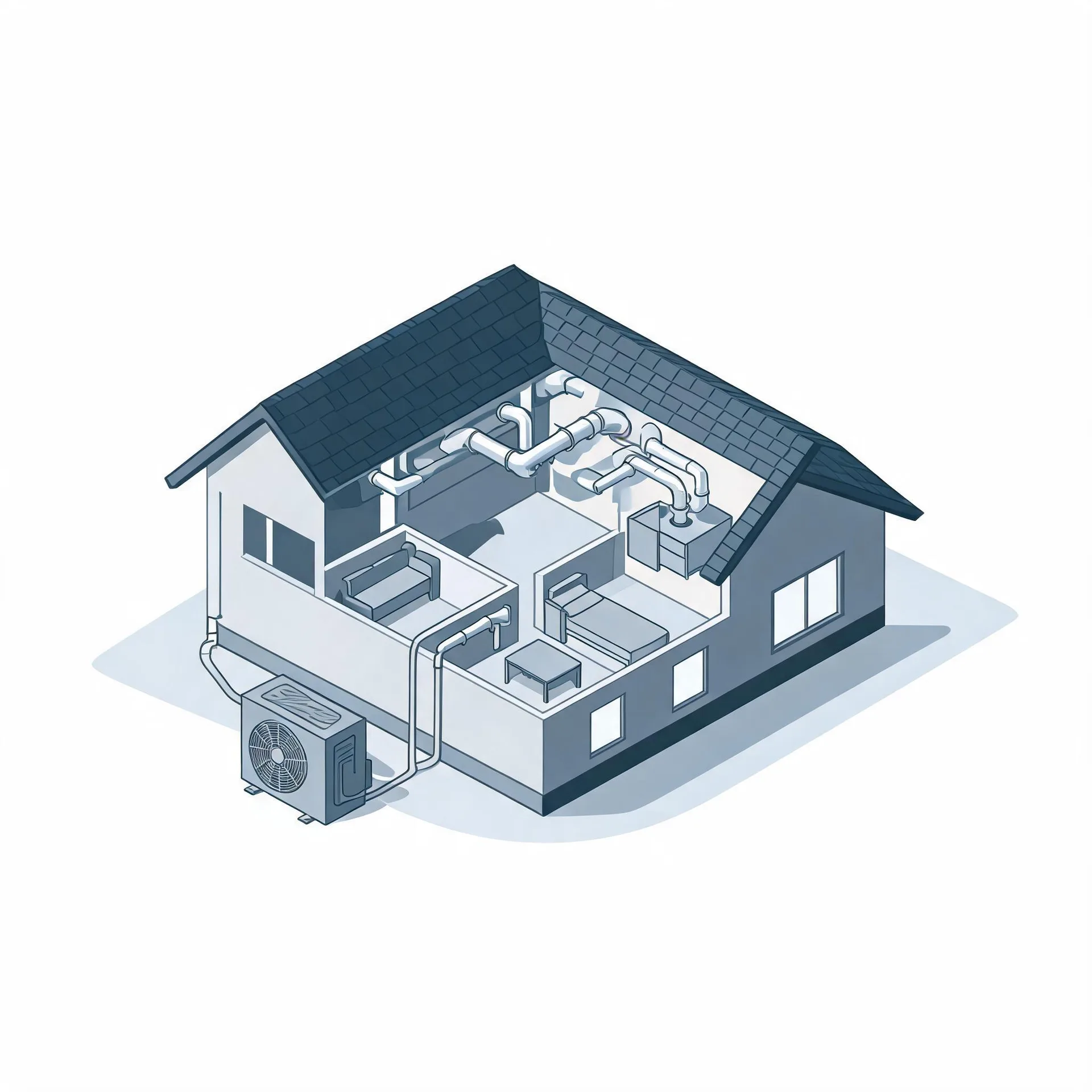
The outdoor unit sits on a pad beside the house and holds the compressor and coil that do the system's core work. Inside, an air handler mounts in a utility space, basement, or closet and moves conditioned air through the home. Together these two units are what a new heat pump installation puts in place.
A refrigerant line set runs between the outdoor unit and the air handler, connecting the two halves of the system. A thermostat goes on an interior wall and gives the homeowner control over the whole system. Where an existing system is being replaced, the contractor also evaluates what the current setup left behind.
The drawing shows a typical layout, and a licensed contractor determines what applies to your specific house.
Find a contractor in Wayne CountyWayne County, Indiana, by the numbers
94 severe weather events were recorded in Wayne County, Indiana between 2015 and 2024.
NOAA National Centers for Environmental Information, Storm Events Database, bulk CSV export, events 2015-01-01 through 2024-12-31.Half the homes in Wayne County, Indiana were built in 1960 or earlier (2020-2024 ACS 5-year).
U.S. Census Bureau, 2020-2024 American Community Survey 5-Year EstimatesWayne County, Indiana holds 30,736 housing units (2020-2024 ACS 5-year).
U.S. Census Bureau, 2020-2024 American Community Survey 5-Year EstimatesOwners occupy 69.2% of the occupied homes in Wayne County, Indiana (2020-2024 ACS 5-year).
U.S. Census Bureau, 2020-2024 American Community Survey 5-Year EstimatesSevere Weather Events in Wayne County
Heat pump performance is tied directly to what the local climate demands of it. The weather record for this area shapes how hard that equipment works and what it needs to handle over its life.
94 severe weather events, 2015–2024. Source: NOAA National Centers for Environmental Information, Storm Events Database.